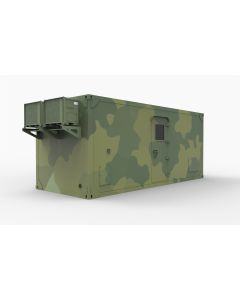
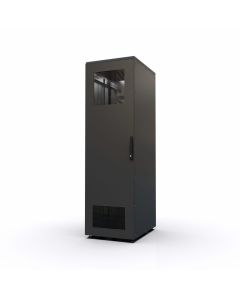
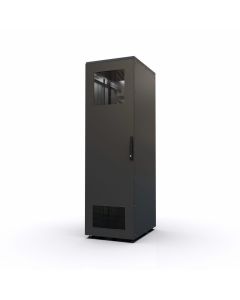
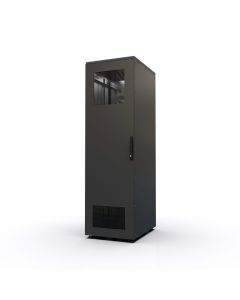
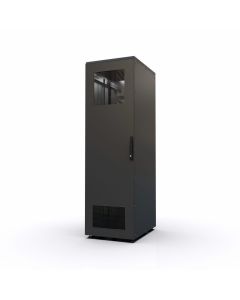
NATO TEMPEST 19" Rack Systems According to SDIP-27, SDIP-28 and SDIP-29 Standards
Secure 19" Rack Solutions for Defense, Government and Critical Infrastructure
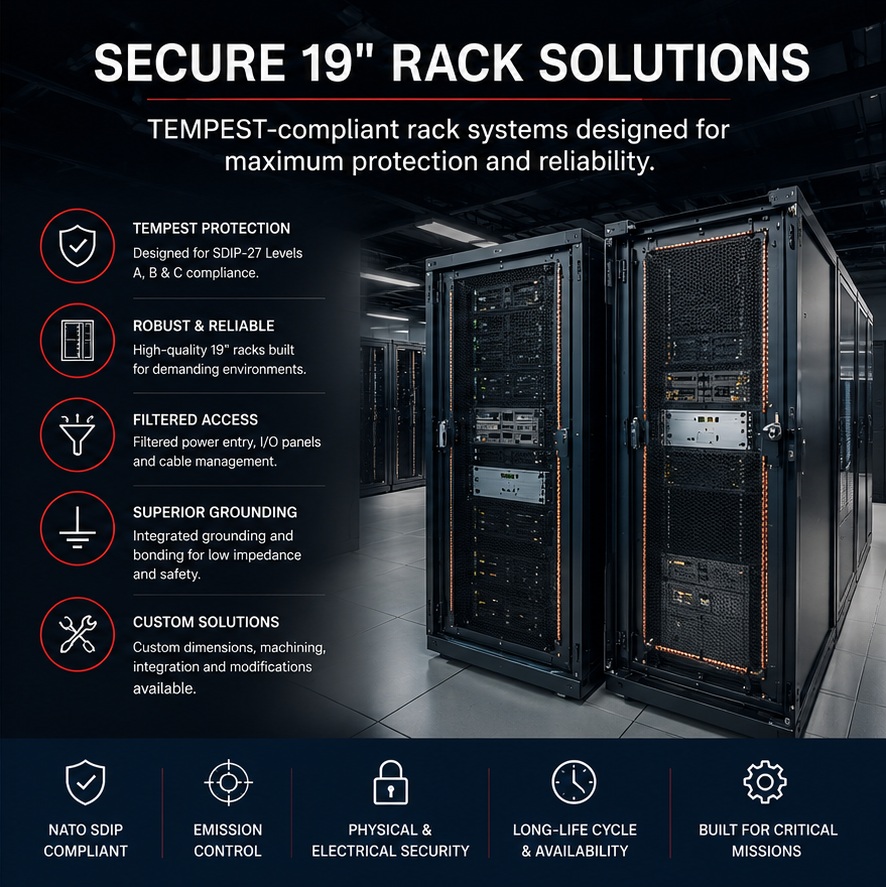
ETM4U delivers TEMPEST-adapted 19" systems, shielded rack solutions and secure cabinet infrastructure for environments where classified information and sensitive electronic systems must be protected against compromising electromagnetic emissions.
Our solutions are designed for defense, military communications, government facilities, intelligence environments, SCIF rooms, critical infrastructure and NATO-related projects where operational reliability, electromagnetic protection and infrastructure security are critical requirements.
Based on NATO SDIP standards, ETM4U supports customers with secure cabinet platforms, EMC-protected infrastructure, filtered power distribution, grounding concepts and customized 19" system integration adapted for high-security applications.

What Is TEMPEST?
TEMPEST is the discipline focused on protecting classified information from unintended electromagnetic radiation emitted by electronic devices and communication systems.
Electronic equipment such as computers, monitors, servers, switches and communication platforms can unintentionally leak information through electromagnetic signals. These emissions may potentially be intercepted remotely without physical access to the system itself. TEMPEST standards are developed to reduce this risk through shielding, grounding, filtering and controlled installation practices.
TEMPEST protection is widely used within:
- NATO command centers
- Military facilities
- Defense industry projects
- Intelligence agencies
- Embassy communication rooms
- Secure data processing environments
- Critical communication infrastructure
SDIP-27 Protection Levels
Level A – Full TEMPEST Protection
Level A is the highest TEMPEST protection level and is typically used in NATO Zone 0 environments where attackers may be located within approximately one meter from the protected system.
Typical requirements include:
- Shielding effectiveness ≥100 dB
- RF-tight cabinet construction
- Filtered cable entry systems
- EMP/NEMP protection
- Double-walled shielded doors
- Advanced grounding systems
- Full laboratory TEMPEST testing
Applications include SCIF rooms, NATO command centers, embassies and defense-critical communication systems.
Level B – Intermediate Protection
Level B applies to controlled facilities where attackers are assumed to remain at greater distances, typically around 20 meters.
These systems normally include:
- Shielded steel cabinet construction
- Conductive gaskets
- Partial EMP protection
- Controlled installation environments
- Partial TEMPEST testing
Typical applications include military headquarters, government SOC environments and protected operations rooms.
Level C – Tactical Protection
Level C is primarily used in tactical environments and installations where the attacker distance is assumed to exceed 100 meters.
Applications include:
- Tactical field systems
- Mobile command platforms
- Secondary secure facilities
- Training systems
At this level, installation practices and facility protection often become more important than full equipment certification.

SDIP-28 – NATO Zoning Procedures
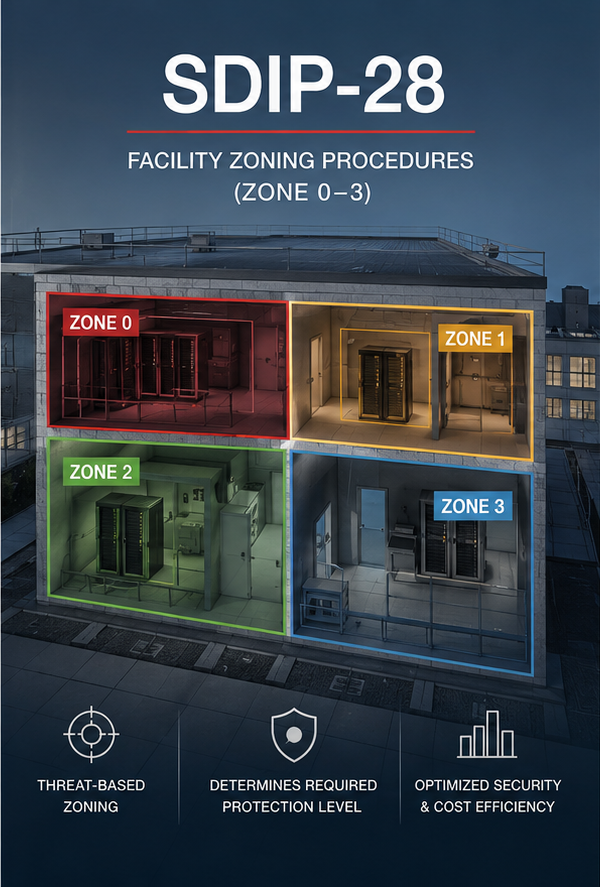
SDIP-28 defines how facilities handling classified information are divided into security zones based on threat level and electromagnetic exposure.
The zoning analysis determines which SDIP-27 protection level is required within each area of a facility.
NATO Zone Definitions
Zone 0
Highest-risk areas where attackers may gain access very close to protected systems. Requires SDIP-27 Level A equipment.
Zone 1
Controlled facility environments where attackers remain inside protected buildings but at controlled distances. Typically requires Level B protection.
Zone 2
Secure perimeter environments where attackers remain outside the facility boundary. Typically requires Level C protection.
Zone 3
Wide security perimeter environments where additional TEMPEST protection may not always be required.
Cost Optimization Through Zoning
Proper SDIP-28 zoning allows organizations to avoid unnecessary deployment of expensive Level A equipment throughout entire facilities.
Instead, high-security protection can be focused only where truly required, significantly reducing infrastructure costs while maintaining compliance and security.
SDIP-29 – Secure Facility Design and Installation
SDIP-29 defines the physical infrastructure and installation requirements for facilities processing classified information.
The standard is mandatory within many NATO communication and information system environments and forms the foundation for secure facility construction.
SDIP-29 Covers
Building Construction
Requirements for walls, ceilings, floors and structural shielding performance.
Cable Installation
Minimum separation distances between classified and unclassified cabling systems.
Grounding and Bonding
Controlled grounding concepts designed to reduce compromising emissions.
Power Distribution
Filtered power systems, isolation transformers and protected electrical infrastructure.
Shielded Rooms and Faraday Cages
Electromagnetic shielding concepts for complete rooms and high-security areas.
RED/BLACK Separation
Physical and electrical separation between classified and unclassified systems.
HVAC and Physical Security
Shielding continuity across ventilation systems, access points and infrastructure openings.
Failure to comply with SDIP-29 requirements may invalidate the entire TEMPEST accreditation process, making early-stage TEMPEST expertise critical during facility planning and design.


How SDIP-27, SDIP-28 and SDIP-29 Work Together
The three standards form an integrated TEMPEST security architecture.
SDIP-29 establishes the secure physical infrastructure and installation concept. SDIP-28 defines the zoning analysis and determines security classification for each area. SDIP-27 then specifies which certified TEMPEST equipment level is required within each zone.
Together, these standards create a complete framework covering:
- Secure facility design
- Electromagnetic shielding
- Secure installation practices
- TEMPEST-certified equipment
- Operational accreditation
- Long-term compliance
Typical TEMPEST Applications
TEMPEST infrastructure and SDIP-compliant 19" systems are commonly used in:
- NATO headquarters
- Embassy SCIF rooms
- Defense industry facilities
- National intelligence agencies
- Secure communication centers
- Mobile military command systems
- Critical infrastructure installations
For many defense industry suppliers, TEMPEST compliance is also a requirement for participation in NATO-related projects and classified infrastructure programs.
TEMPEST 19" Solutions from ETM4U
Together with specialized technology partners, ETM4U helps customers create reliable and future-proof TEMPEST infrastructure adapted for defense, government and mission-critical communication environments.

Why Choose ETM4U?
ETM4U combines expertise in:
- 19" rack systems
- EMC and shielding technologies
- Defense and critical infrastructure applications
- Customized enclosure solutions
- Secure electronics integration
- NATO-related infrastructure requirements
We help customers identify the right cabinet platform, protection level and infrastructure concept for each application — from secure standalone systems to complete protected communication environments.
Contact ETM4U
Do you need TEMPEST-adapted 19" systems or EMC-protected cabinet infrastructure for defense, NATO or critical infrastructure applications?
Contact ETM4U for technical guidance, customized solutions and secure 19" system expertise.
Source material based on uploaded NATO TEMPEST standards documentation